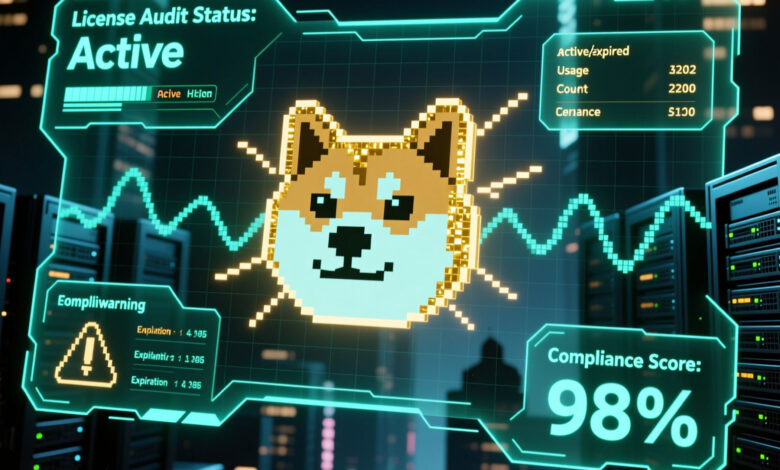
The phrase doge software licenses audit hud has been appearing more frequently in conversations around government oversight, technology compliance, and housing-sector accountability. While it may sound complex at first, the idea behind it is actually quite practical: ensuring that software used within HUD-related environments is properly licensed, transparent, and compliant with regulations.
In this article, we’ll break down what doge software licenses audit hud really means, why it matters, and how organizations can prepare for it without stress. Whether you’re a compliance officer, IT manager, consultant, or simply researching the topic, this guide aims to be clear, useful, and genuinely readable—no jargon overload, no vague explanations.
Understanding the Concept of Doge Software Licenses Audit HUD
At its core, doge software licenses audit hud refers to the review and verification of software licenses used in systems connected to the U.S. Department of Housing and Urban Development. The goal is to confirm that all software assets are legally obtained, properly documented, and aligned with federal compliance requirements.
This concept blends three important elements: software licensing, audits, and HUD oversight. When combined, they create a framework that helps reduce waste, prevent legal risks, and promote responsible use of taxpayer-funded technology. It’s not about punishment—it’s about accountability and efficiency.
From a practical standpoint, organizations working with HUD-funded programs must be especially careful. Even small licensing oversights can become major compliance issues during a doge software licenses audit hud review.
Why Software License Audits Matter in HUD-Related Environments
Software audits are common across many industries, but HUD-related environments face higher scrutiny. That’s because public funds are involved, and transparency is a legal and ethical requirement. A doge software licenses audit hud ensures that technology spending aligns with procurement rules and federal guidelines.
Audits also help uncover inefficiencies. Many organizations unknowingly pay for unused licenses or outdated software. Through a structured audit process, these costs can be reduced while improving operational clarity.
Perhaps most importantly, proper audits protect organizations from penalties. Software vendors and regulators alike take licensing seriously, and HUD-linked entities are expected to lead by example.
How Doge Software Licenses Audit HUD Fits Into Federal Compliance

Federal compliance frameworks emphasize documentation, traceability, and accountability. The doge software licenses audit hud process supports all three. It provides a paper trail that proves software usage is legitimate and justified.
HUD compliance standards often intersect with broader federal IT policies, such as cybersecurity requirements and data protection mandates. Software licensing may seem separate, but it directly impacts these areas. Unlicensed or unsupported software can introduce security vulnerabilities.
By aligning license audits with compliance efforts, organizations reduce risk while building trust with oversight bodies.
Common Challenges Faced During Software License Audits
One of the biggest challenges in a doge software licenses audit hud process is incomplete records. Over time, staff changes, system upgrades, and emergency purchases can leave gaps in documentation.
Another common issue is misunderstanding license terms. Not all licenses are straightforward, and misuse can happen unintentionally. Cloud subscriptions, user-based licenses, and enterprise agreements add layers of complexity.
Finally, audits can feel disruptive. Without preparation, teams may scramble to gather data, increasing stress and errors. That’s why proactive planning is essential.
Key Stakeholders Involved in the Audit Process
A successful doge software licenses audit hud doesn’t rest on one department alone. IT teams play a central role by tracking software installations and usage. Procurement teams ensure licenses are purchased correctly, while compliance officers interpret regulations.
Leadership also matters. When executives support audit readiness, it sends a clear message that compliance is a priority, not an afterthought. This top-down approach often makes audits smoother and more efficient.
External auditors or consultants may also be involved, bringing objectivity and specialized expertise to the process.
Best Practices for Preparing for a Software Licenses Audit
Preparation is the difference between a smooth audit and a stressful one. For any organization anticipating a doge software licenses audit hud, maintaining an up-to-date software inventory is essential.
Regular internal reviews help catch issues early. These don’t have to be formal audits—simple quarterly checks can make a big difference. Clear documentation of purchase records, renewal dates, and usage rights also saves time.
Training staff is another overlooked step. When employees understand licensing basics, accidental misuse drops significantly.
“Compliance isn’t about fear—it’s about clarity. The better you understand your software assets, the stronger your organization becomes.”
The Role of Technology in Managing License Compliance
Ironically, technology itself can simplify a doge software licenses audit hud. Software asset management tools automate tracking, generate reports, and flag potential violations before they become problems.
These tools also provide real-time visibility into license usage. This helps organizations right-size their software portfolio, reducing waste and improving budgeting accuracy.
Automation doesn’t replace human oversight, but it dramatically reduces manual errors and audit fatigue.
Comparing Manual vs Automated License Audits
| Aspect | Manual Audit | Automated Audit |
|---|---|---|
| Accuracy | Prone to human error | High consistency |
| Time Required | Lengthy and labor-intensive | Faster and scalable |
| Cost Over Time | Higher due to labor | Lower with long-term use |
| Audit Readiness | Reactive | Proactive |
| HUD Compliance Support | Limited | Strong |
This comparison highlights why many organizations modernize their approach before a doge software licenses audit hud takes place.
Legal and Financial Risks of Non-Compliance
Ignoring licensing compliance can be costly. In the context of doge software licenses audit hud, risks include financial penalties, contract disputes, and even loss of HUD funding.
There’s also reputational damage to consider. Public-sector transparency means audit findings may be scrutinized by multiple stakeholders, including the public.
On the flip side, organizations that demonstrate strong compliance often build credibility and long-term trust with regulators.
How Vendors View Software License Audits
Software vendors generally support audits, as they protect intellectual property. During a doge software licenses audit hud, vendors may request proof of usage rights or clarify contract terms.
While this can feel intimidating, it doesn’t have to be adversarial. Clear communication and organized records usually lead to cooperative outcomes.
Understanding vendor perspectives helps organizations negotiate better agreements and avoid misunderstandings.
The Future of Software Audits in HUD Programs
As digital transformation continues, the scope of doge software licenses audit hud will likely expand. Cloud services, AI tools, and subscription-based platforms introduce new licensing models that require updated audit strategies.
Regulators are also becoming more tech-savvy. Future audits may rely more on data analytics and continuous monitoring rather than periodic reviews.
Organizations that adapt early will be better positioned for these changes.
Conclusion: Turning Audits Into Opportunities
A doge software licenses audit hud doesn’t have to be a source of anxiety. When approached strategically, it becomes an opportunity to streamline operations, reduce costs, and strengthen compliance.
By understanding the process, preparing proactively, and leveraging the right tools, organizations can move from reactive auditing to confident governance. In the long run, that confidence pays off—not just during audits, but in everyday operations.
FAQs About Doge Software Licenses Audit HUD
What is a doge software licenses audit hud?
A doge software licenses audit hud is a review process that verifies whether software used in HUD-related systems is properly licensed and compliant with regulations.
Who needs to prepare for a doge software licenses audit hud?
Any organization receiving HUD funding or operating HUD-connected systems should be prepared for a doge software licenses audit hud.
How often do software license audits occur?
The frequency of a doge software licenses audit hud varies, but proactive organizations conduct internal reviews regularly to stay ready.
What happens if issues are found during the audit?
If problems are identified in a doge software licenses audit hud, organizations may need to correct licensing gaps, pay penalties, or update compliance processes.
Can tools help with doge software licenses audit hud preparation?
Yes, software asset management tools are highly effective in preparing for and managing a doge software licenses audit hud by automating tracking and reporting.
Also Read : Classroom 15x: The Modern Learning Model Changing How Students Engage