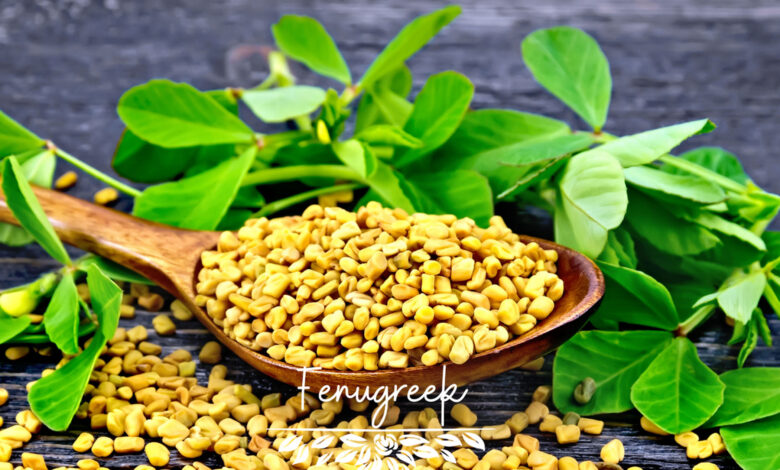
Foenegriek is one of those ancient ingredients that quietly survived centuries of culinary traditions and natural health practices, and today it’s making a strong comeback. Known for its warm, slightly bitter taste and powerful aroma, this humble seed has earned a place in kitchens, herbal cupboards, and wellness routines around the world.
What makes foenegriek so fascinating is how it bridges food and function. It’s not just a spice you sprinkle into a dish; it’s also valued for its nutritional richness and traditional uses. In this in-depth guide, we’ll explore where it comes from, how it’s used, what science says about its benefits, and how you can safely include it in daily life.
What Is Foenegriek?
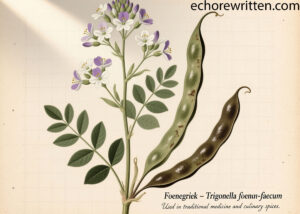
Foenegriek is the Dutch name for fenugreek, a plant whose seeds and leaves have been used for thousands of years. It belongs to the legume family and produces small, golden-brown seeds with a distinctive aroma often described as nutty, earthy, and slightly sweet. Both the seeds and the fresh or dried leaves are used in cooking and traditional remedies.
Historically, foenegriek has been cultivated in regions of the Middle East, India, North Africa, and Southern Europe. Over time, it spread globally due to its versatility and resilience as a crop. Today, you’ll find it in spice blends, herbal teas, supplements, and even cosmetic products, proving that its appeal goes far beyond the kitchen.
Nutritional Profile of Foenegriek
One of the main reasons foenegriek has stayed relevant for so long is its impressive nutritional makeup. The seeds are dense with fiber, plant-based protein, vitamins, and minerals that support overall wellness when consumed as part of a balanced diet.
What sets foenegriek apart nutritionally is its high soluble fiber content. This type of fiber plays an important role in digestion and blood sugar regulation. The seeds also contain beneficial plant compounds that have been studied for their antioxidant properties.
Here’s a simple overview of the nutritional components found in foenegriek seeds per 100 grams:
| Nutrient | Approximate Amount |
|---|---|
| Energy | 323 kcal |
| Protein | 23 g |
| Fiber | 25 g |
| Iron | 33 mg |
| Magnesium | 191 mg |
| Vitamin B6 | 0.6 mg |
These values help explain why foenegriek is often described as a “functional food” rather than just a flavoring ingredient.
Health Benefits Backed by Tradition and Research
Foenegriek has a long history in traditional wellness systems, and modern research continues to explore its potential benefits. While it’s not a miracle cure, regular and mindful use may support several aspects of health.
One of the most talked-about benefits of foenegriek relates to blood sugar balance. Due to its soluble fiber content, it may help slow carbohydrate digestion and absorption. This effect can contribute to more stable energy levels after meals, which is why it’s often discussed in the context of metabolic health.
Another commonly cited benefit involves digestion. Foenegriek has traditionally been used to soothe the stomach and support regular bowel movements. Its mild bitterness can stimulate digestive juices, making it helpful after heavy or rich meals. As one herbalist famously said,
“Sometimes the most powerful digestive remedies are the ones already sitting in your spice rack.”
Foenegriek in Cooking and Flavor
In the culinary world, foenegriek is prized for its depth of flavor. The seeds are often lightly roasted to reduce bitterness and enhance their nutty aroma, while the leaves add a savory, almost umami-like note to dishes.
Foenegriek is a staple in many South Asian and Middle Eastern recipes. It appears in curries, lentil dishes, spice mixes, and flatbreads. When used carefully, it adds complexity without overpowering other ingredients. Too much, however, can dominate a dish, so moderation is key.
Beyond traditional recipes, modern cooks are experimenting with foenegriek in creative ways. It’s now being added to artisanal bread, infused into oils, and even used in plant-based meat alternatives to enhance savory notes.
Traditional and Modern Wellness Uses
For centuries, foenegriek has been part of traditional wellness practices across cultures. It was commonly prepared as a tea, paste, or soaked seed mixture and used as part of daily routines rather than quick fixes.
In more recent times, foenegriek has gained attention in supplement form. Capsules, powders, and extracts are now widely available, often marketed for digestive comfort, energy support, or general vitality. While these products can be convenient, whole seeds or culinary uses still offer a more balanced approach.
It’s worth noting that traditional wisdom often emphasizes consistency over intensity. Small amounts of foenegriek used regularly were historically preferred to large, sporadic doses.
Safety, Dosage, and Considerations
Despite its many benefits, foenegriek should be used thoughtfully. Like any concentrated plant ingredient, excessive intake may lead to digestive discomfort such as bloating or gas, especially for those new to it.
People who are pregnant, on medication, or managing specific health conditions should consult a healthcare professional before using foenegriek supplements. When consumed as a spice in normal culinary amounts, it is generally considered safe for most individuals.
A practical approach is to start small. Introduce foenegriek gradually into meals or teas and observe how your body responds. This mindful method aligns well with both traditional practices and modern nutritional advice.
Growing and Sourcing Foenegriek
Foenegriek is surprisingly easy to grow, which adds to its appeal for home gardeners. It thrives in warm climates and can even be grown in pots, making it accessible for urban settings.
The plant grows quickly, and the leaves can be harvested early as a fresh herb. If allowed to mature, it produces seed pods that can be dried and stored for long-term use. Growing your own foenegriek ensures freshness and gives you full control over how it’s cultivated.
When buying foenegriek, look for whole seeds rather than pre-ground powder if possible. Whole seeds retain their aroma longer and can be ground fresh as needed, offering better flavor and potency.
Conclusion: Why Foenegriek Still Matters Today
Foenegriek is a powerful example of how traditional ingredients continue to find relevance in modern lifestyles. Its combination of flavor, nutrition, and cultural history makes it far more than just another spice on the shelf.
Frequently Asked Questions About Foenegriek
What does foenegriek taste like?
Foenegriek has a warm, slightly bitter taste with nutty and maple-like notes. When roasted or cooked, its bitterness softens, making it more rounded and aromatic.
Can foenegriek be used every day?
Yes, foenegriek can be used daily in small culinary amounts. Many traditional cuisines include it regularly without issues, especially when balanced with other foods.
Is foenegriek suitable for vegetarians?
Foenegriek is plant-based and fits well into vegetarian and vegan diets. It also adds depth and richness to meat-free dishes.
How should foenegriek seeds be stored?
Store foenegriek seeds in an airtight container away from heat and light. Proper storage helps preserve their flavor and nutritional value.
Does foenegriek have a strong smell?
Foenegriek does have a distinctive aroma, especially when cooked or ground. Most people find it pleasant, though it can be strong if used in excess.
Also Read : crypto30x.com: A Deep Dive Into a Modern Crypto Information Platform